
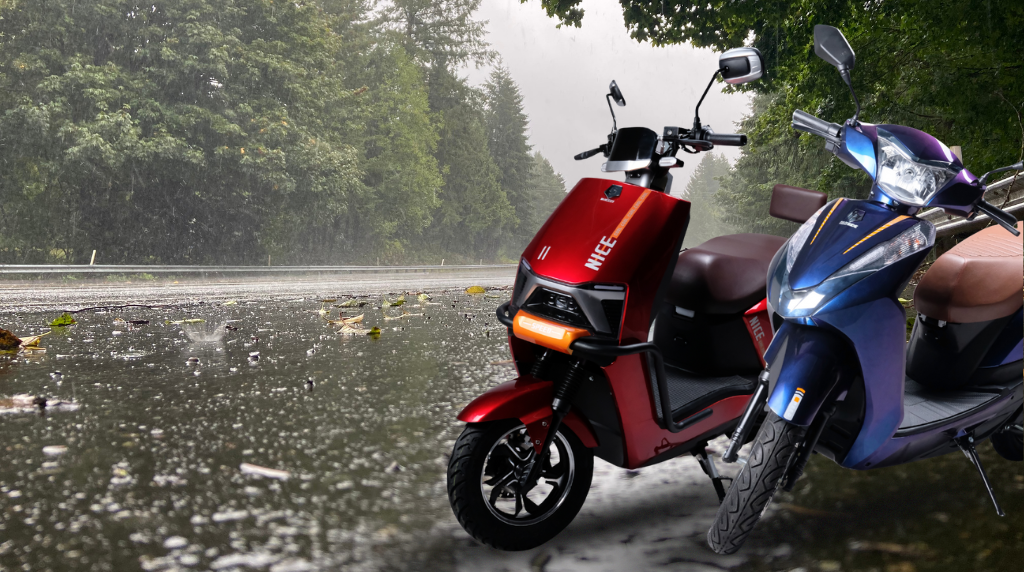
Understanding Electric Scooters and Weather Resistance
Electric scooters, commonly known as e-scooters, are designed to offer reliable performance in a variety of weather conditions, including light to moderate rain. One of the most important factors to consider is the scooter’s Ingress Protection (IP) rating, which indicates its level of protection against dust and water.
A scooter with an IP54, IP65, or higher rating generally offers better protection against water splashes and dust, making it more suitable for everyday riding in varying weather conditions. However, it is important to remember that water-resistant does not mean waterproof. Even scooters with high IP ratings should never be ridden through flooded roads or submerged in water.
The materials used in an electric scooter also contribute to its durability. Many modern scooters feature lightweight aluminium or stainless-steel frames that resist corrosion while providing excellent structural strength. Water-resistant seals and protective coatings further help safeguard important electrical components from moisture.
Before purchasing an electric scooter, always check the manufacturer’s recommended IP rating and maintenance guidelines. Choosing a scooter designed for Indian road and weather conditions will provide a safer, more dependable riding experience throughout the year.
How Rain Affects Electric Scooters and Rider Safety
Rain can significantly affect both the performance of an electric scooter and rider safety. Wet roads reduce tyre grip, making it easier for the scooter to skid during sudden acceleration, braking, or sharp turns.
Braking performance is also affected in wet conditions. Since stopping distances become longer, riders should maintain a greater distance from vehicles ahead and apply the brakes gradually rather than braking suddenly.
Although many modern electric scooters are designed to resist water splashes, prolonged exposure to heavy rain can still affect electrical components if water enters sensitive areas. Riders should avoid flooded roads and deep puddles, as hidden potholes or debris can damage the scooter or lead to accidents.
To ride safely during the rainy season:
• Wear waterproof riding gear and a certified helmet.
• Keep your headlights or daytime running lights on when visibility is poor.
• Ride at a moderate speed and avoid sudden acceleration or hard braking.
• Avoid flooded roads and deep puddles whenever possible.
• Dry the charging port before charging your scooter.
• Never charge the scooter immediately after riding in heavy rain. Allow it to dry completely first.
If weather conditions become severe, postponing your journey is always the safest decision.
Road Conditions and Their Impact on Electric Scooter Performance
Road conditions are just as important as weather when riding an electric scooter. Rain often creates hazards such as slippery roads, potholes, loose gravel, mud, and standing water, all of which can reduce rider safety.
Puddles may appear harmless but can hide potholes, broken road surfaces, or debris underneath. Riding through them at high speed increases the risk of losing control or damaging the scooter.
Similarly, muddy roads and loose gravel reduce tyre traction, making it difficult to maintain balance. Most urban electric scooters are designed for paved roads rather than off-road terrain, so riders should avoid muddy or uneven surfaces whenever possible.
Road infrastructure also plays a major role in riding safety. Poor drainage, damaged roads, and waterlogging can make riding risky during the monsoon season. Before beginning your journey, choose routes with well-maintained roads and avoid areas that are known to flood.
Whenever available, use designated cycle lanes or safer road sections to minimise exposure to traffic and hazardous road conditions.
Best Practices for Riding Electric Scooters in All Weather
Electric scooters can be ridden comfortably throughout the year when proper precautions are taken. Regular maintenance, suitable riding gear, and safe riding habits all contribute to a better and safer riding experience.
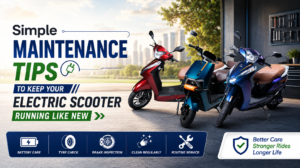
Inspect your scooter regularly by checking:
• Tyre pressure and tread depth
• Brake performance
• Lights and indicators
• Battery compartment and charging port
• Suspension and steering components
Routine maintenance helps ensure that your scooter performs reliably, especially during the rainy season.
Wear waterproof clothing, gloves, and shoes to stay comfortable in wet weather. Reflective clothing or accessories can also improve visibility in low-light conditions.
When riding on wet roads:
• Reduce your speed.
• Accelerate and brake smoothly.
• Avoid sudden turns.
• Maintain a safe following distance.
• Stay alert for pedestrians, cyclists, and other vehicles.
If you frequently ride during the monsoon or in challenging weather conditions, consider choosing an electric scooter with larger tyres, reliable suspension, and an appropriate IP rating for added confidence.
Planning your route before you leave can also help you avoid flooded roads, heavy traffic, or poorly maintained streets. A little preparation can make every journey safer and more enjoyable.scooter regularly by checking:
Why Buzzride is Built for Everyday Indian Roads
Indian roads present unique challenges—from uneven surfaces and potholes to busy traffic and seasonal monsoons. That’s why Buzzride electric scooters are thoughtfully designed to deliver a comfortable, dependable, and practical riding experience for everyday commuting.
Built with durable engineering and rider-focused design, Buzzride scooters are made to support daily urban travel with confidence. Whether you’re commuting to work, running errands, or travelling across the city, Buzzride delivers a smooth, reliable, and comfortable ride designed for everyday India.
To get the best performance from your Buzzride scooter, always follow safe riding practices during adverse weather. Avoid flooded roads, ride at a controlled speed on wet surfaces, and keep your scooter clean and well maintained. With regular care and responsible riding, your Buzzride scooter is ready to support your everyday journeys throughout the year.
Final Thoughts
Electric scooters are designed to handle everyday commuting, including light rain, when ridden responsibly. However, no electric scooter is completely waterproof or suitable for every weather condition without limitations.
Understanding your scooter’s IP rating, maintaining it regularly, adapting your riding style, and avoiding flooded roads will help ensure a safer and more reliable riding experience.
Whether you’re commuting to work, running errands, or exploring your city, following safe riding practices will help you get the best performance from your electric scooter in every season. With the right care and preparation, your Buzzride scooter is ready to power your daily rides with confidence.

Add comment