

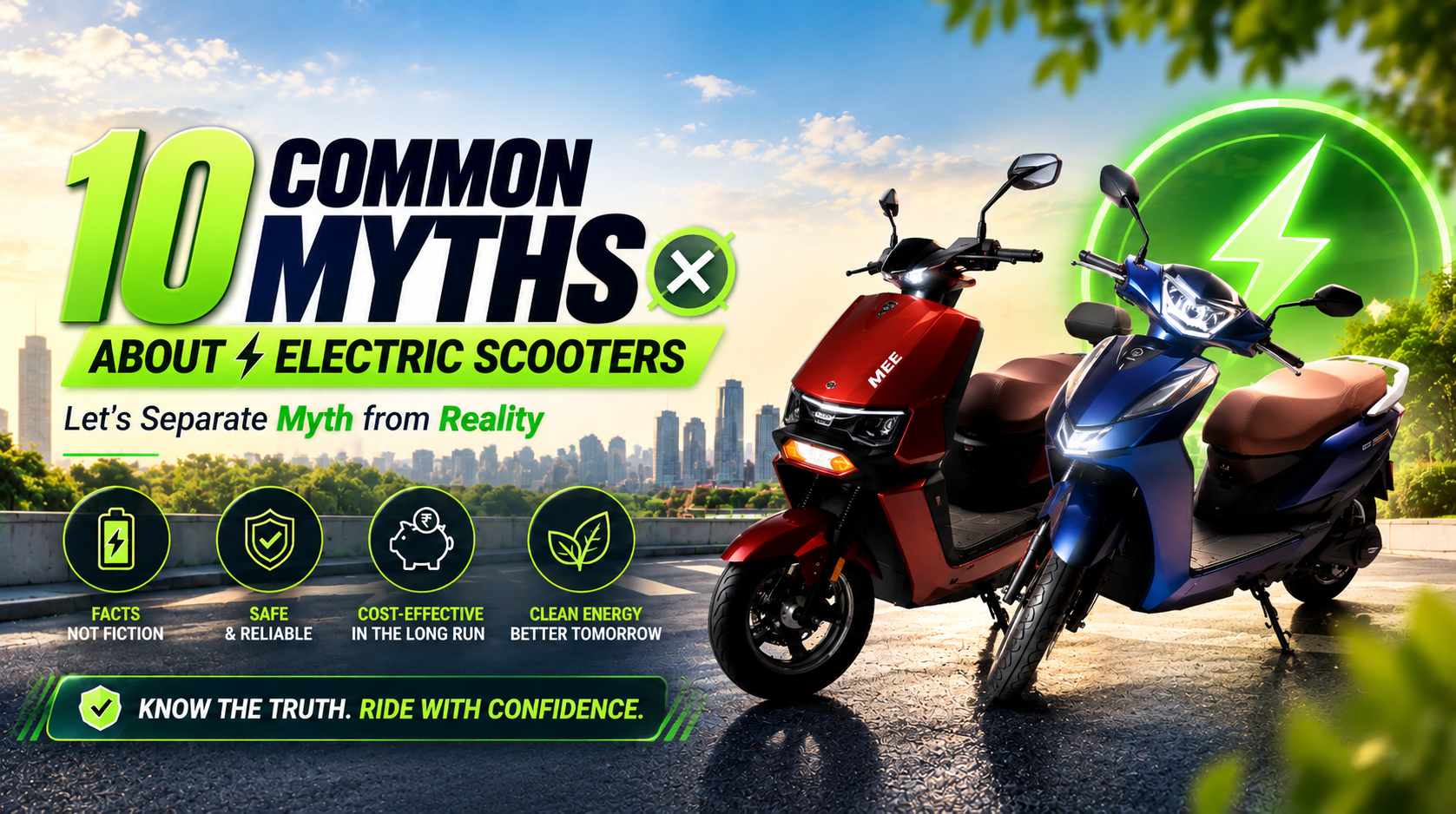
Talk to enough people on the fence about buying an electric scooter and you’ll hear the same handful of concerns on repeat — too slow, batteries die fast, charging is a hassle. Most of it hasn’t kept up with where the technology actually is. Let’s go through the ten most common ones and check them against reality.
Myth 1: Electric Scooters Are Too Slow
Modern electric scooters are built for practical city commuting, with most models reaching speeds well suited to urban traffic and bike lanes — comparable to or faster than average cycling speeds. For short-to-medium city trips, they’re often faster door-to-door than driving once you factor in parking and traffic.
Myth 2: Charging Takes Too Long
Most electric scooters fully charge in 4 to 8 hours, depending on battery size — and since almost all charging happens overnight at home, the actual “wait” most riders experience is zero. Buzzride scooters charge in just 4–5 hours via a standard 3-pin household plug. Plug in before bed, unplug in the morning.
Myth 3: They’re Expensive to Own
The upfront cost of an electric scooter can be higher than a bicycle, but running costs are a fraction of a car or petrol scooter — electricity to charge a battery typically costs just a few cents to a dollar per full charge, with no fuel, insurance, or emissions costs. Over time, lower running and maintenance costs often make electric scooters the more economical choice.
Myth 4: Batteries Don’t Last Long
Modern scooter batteries are built for hundreds of charge cycles and, with proper care (avoiding extreme temperatures, not letting the battery sit fully depleted, using the recommended charger), can reliably last several years of regular use. Buzzride offers both lead-acid and lithium battery options depending on the model, so riders can choose lithium for lighter weight and longer cycle life, or lead-acid for a more budget-friendly, reliable alternative.
Myth 5: Electric Scooters Can’t Handle Daily Commuting
Electric scooters are purpose-built for daily city travel: lightweight, easy to park, and designed for repeated short-to-medium trips. For many urban commuters, they’re a practical replacement for the car or transit for the “last mile” of a journey.
Myth 6: They’re Difficult to Maintain
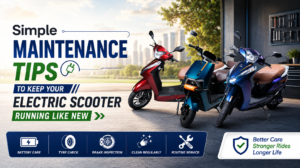
Electric scooters have far fewer moving parts than petrol scooters — no engine oil, no fuel system, no combustion components. Routine maintenance is typically limited to tire checks, brake inspection, and keeping the battery and electronics clean and dry.
Myth 7: You Need Special Equipment to Charge
This one often comes from confusing electric scooters with electric cars, which sometimes do need a dedicated wallbox installed. Electric scooters don’t. Any standard household socket — the same one running your fan or fridge — is all that’s needed. No electrician, no installation cost, no dedicated charging point.
Myth 8: Electric Scooters Aren’t Safe in Light Rain
Many electric scooters are built with water-resistant components rated for light rain and damp conditions. That said, riders should always check their model’s specific IP rating, avoid flooded roads or deep puddles, and follow the manufacturer’s guidance — just as you would with any electric vehicle.
Myth 9: Electric Scooters Have No Storage
Many modern electric scooters include practical storage solutions — from under-deck compartments to handlebar hooks and mounting points for bags or baskets — making it easy to carry everyday essentials like a bag, groceries, or a laptop.
Myth 10: Electric Scooters Are Only a Trend
Electric micromobility is becoming a mainstream part of urban transport, backed by expanding charging infrastructure, supportive city regulations in many regions, and continuous improvements in battery technology and range. It’s a growing category, not a passing fad.
Where Buzzride Fits In
Strip away the myths and what’s left is a fairly simple machine: something that gets you where you’re going, costs little to run, and charges up wherever you already have a plug socket. That’s the whole pitch behind Buzzride — nothing exotic, just a scooter that holds up to daily use.
Frequently Asked Questions
Are electric scooters actually safe? Like any vehicle, safety depends on the rider, the scooter, and the conditions. Wearing a helmet, following local traffic laws, and choosing a scooter with good brakes and lights significantly reduces risk.
How long do electric scooter batteries actually last? It depends on the battery type. Lithium-ion batteries are typically rated for hundreds of charge cycles, often translating to several years of regular use. Lead-acid batteries usually have a shorter cycle life but cost less upfront — Buzzride offers both, so the right answer depends on your budget and how you plan to use the scooter.
Do electric scooters need a license? This varies significantly by country and even city. Check your local regulations before riding on public roads.
Final Thoughts
Most objections to electric scooters trace back to how things used to be, not how they are now. The batteries last longer, the charging is genuinely no-fuss, and daily commuting is exactly what they’re built for. The best way to confirm any of this is still to take one for a ride


Add comment